Logo Guidelines
The design of a professional logo does not end with the approval of the final concept and the delivery of the files. To maintain a consistent and recognisable image over time, it is also important to define clear rules for its correct use.
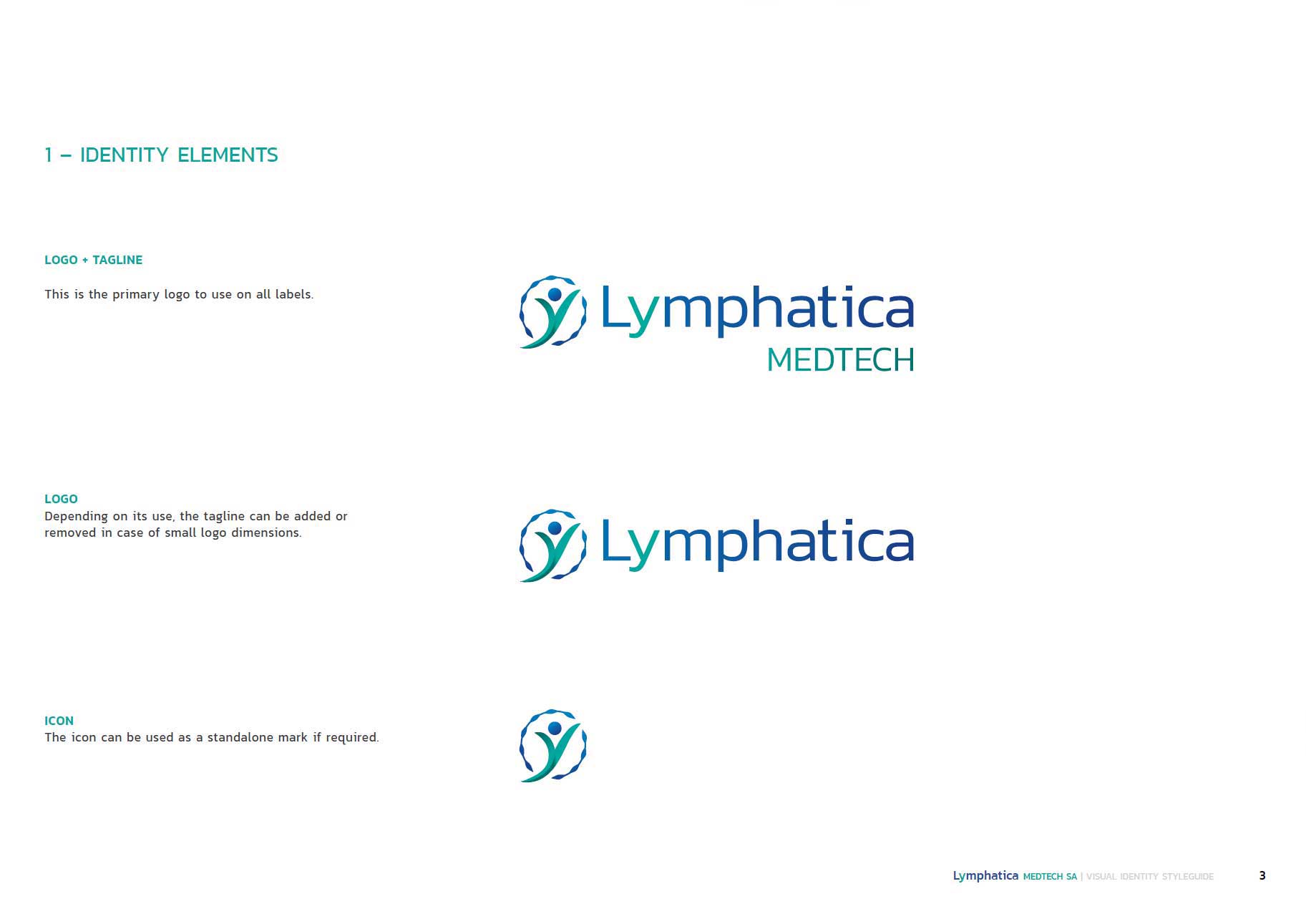
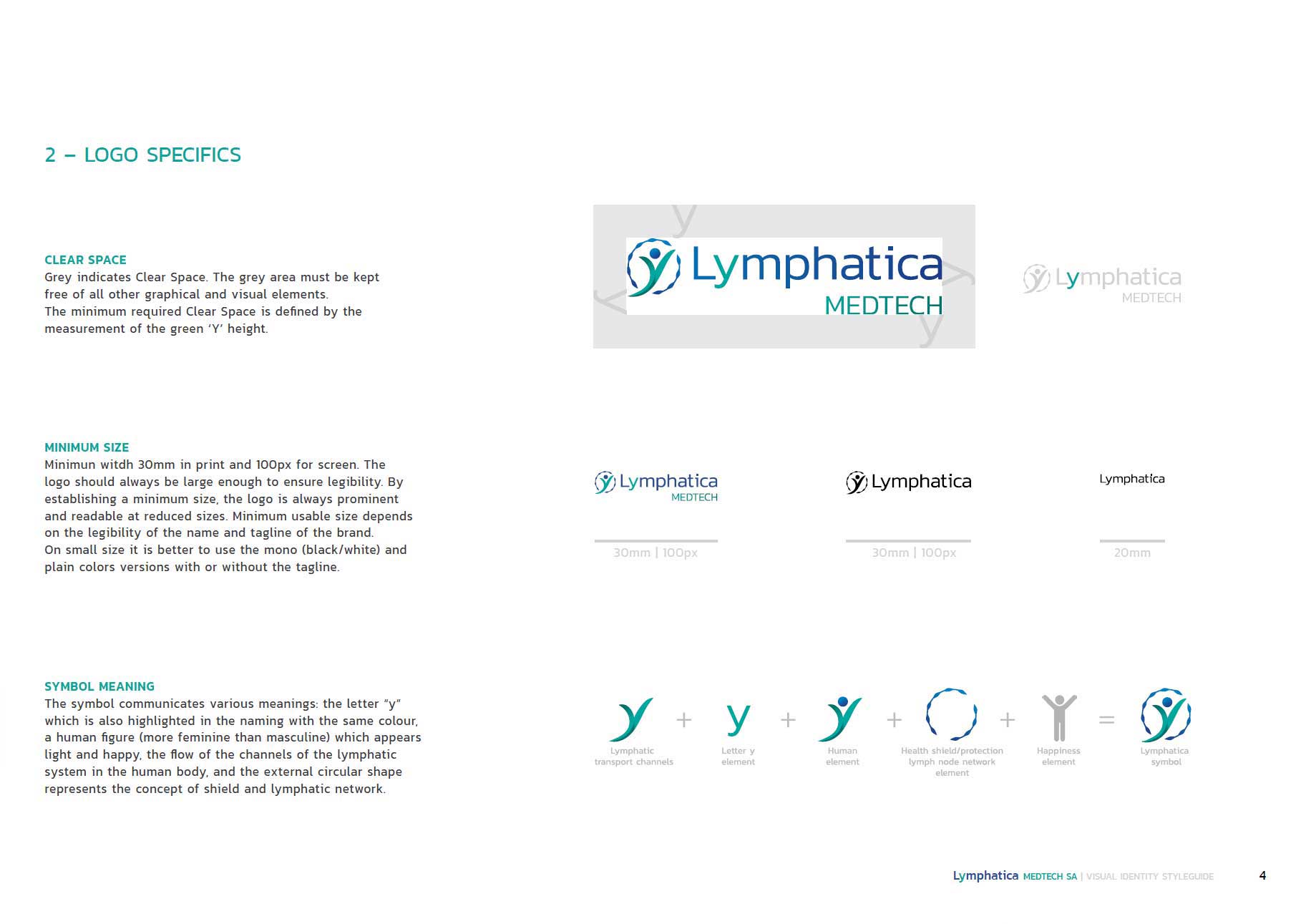
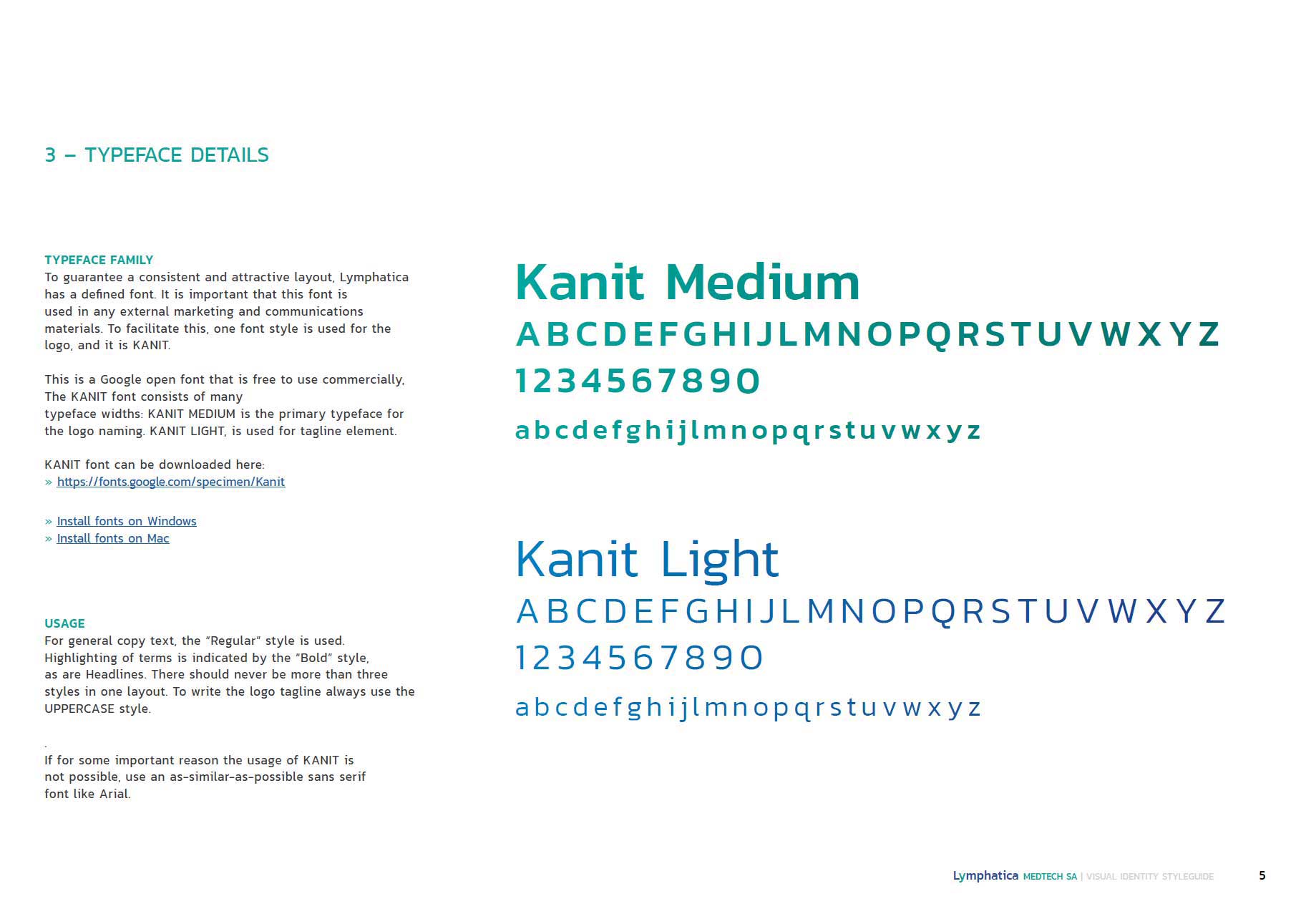
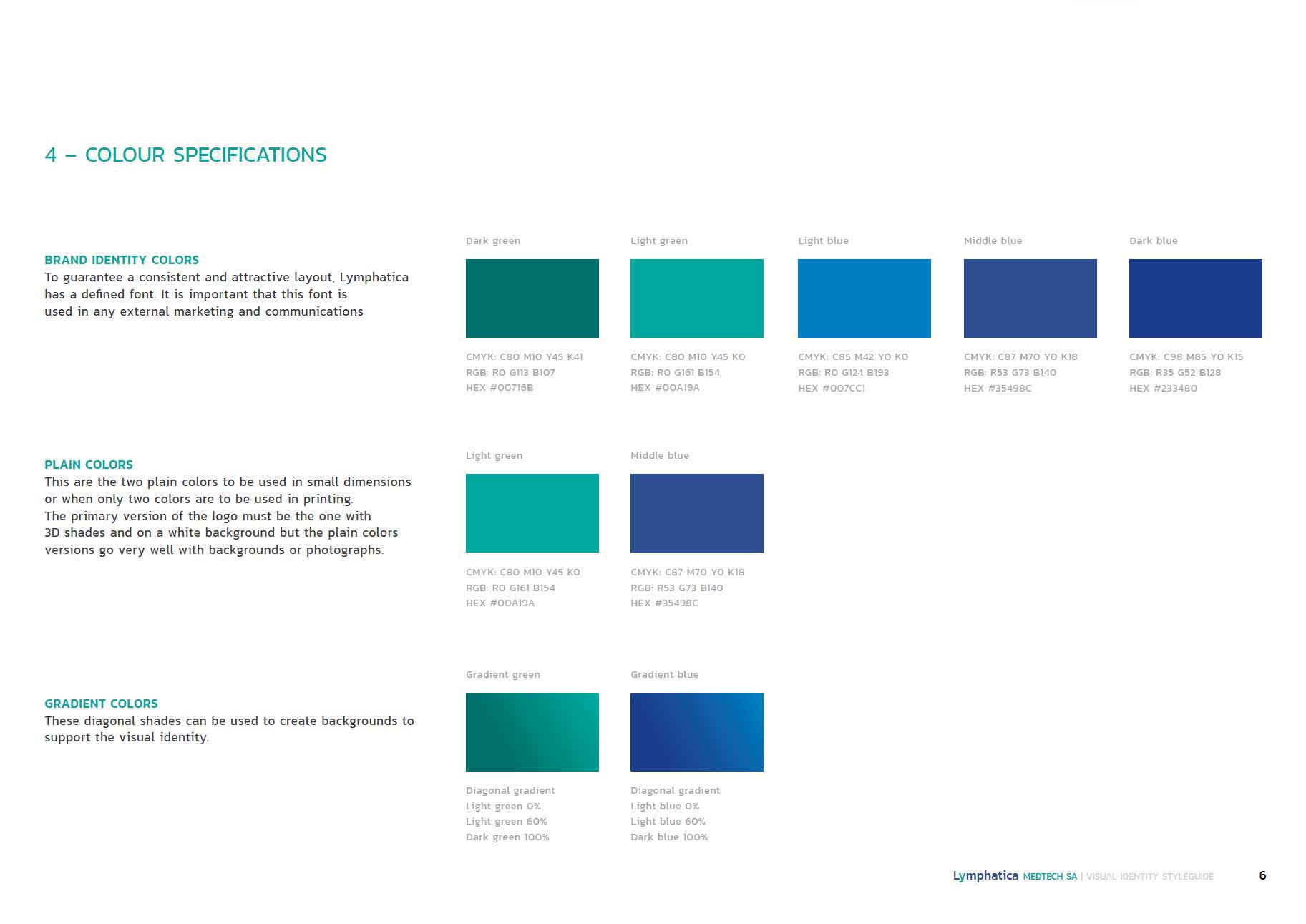
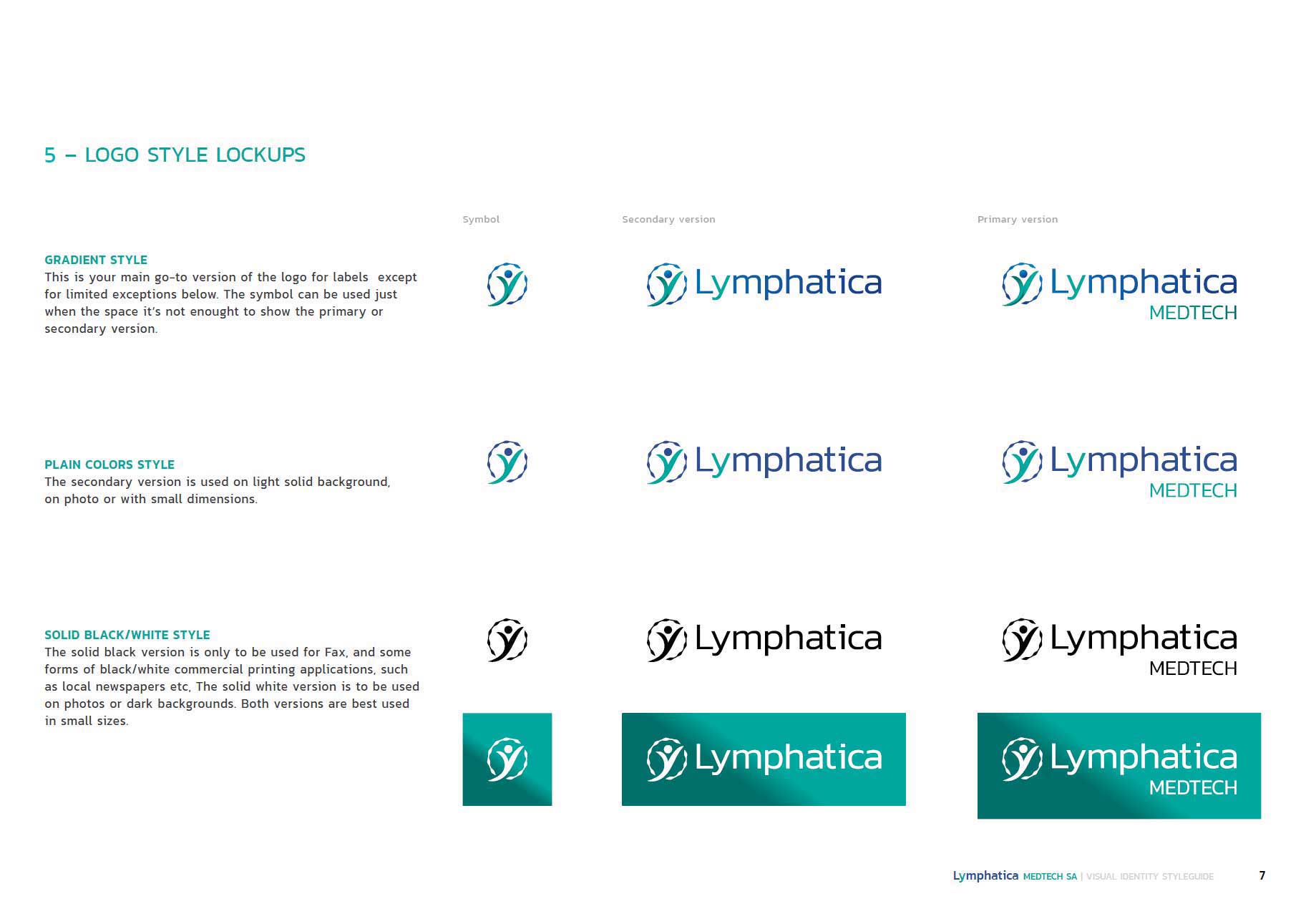
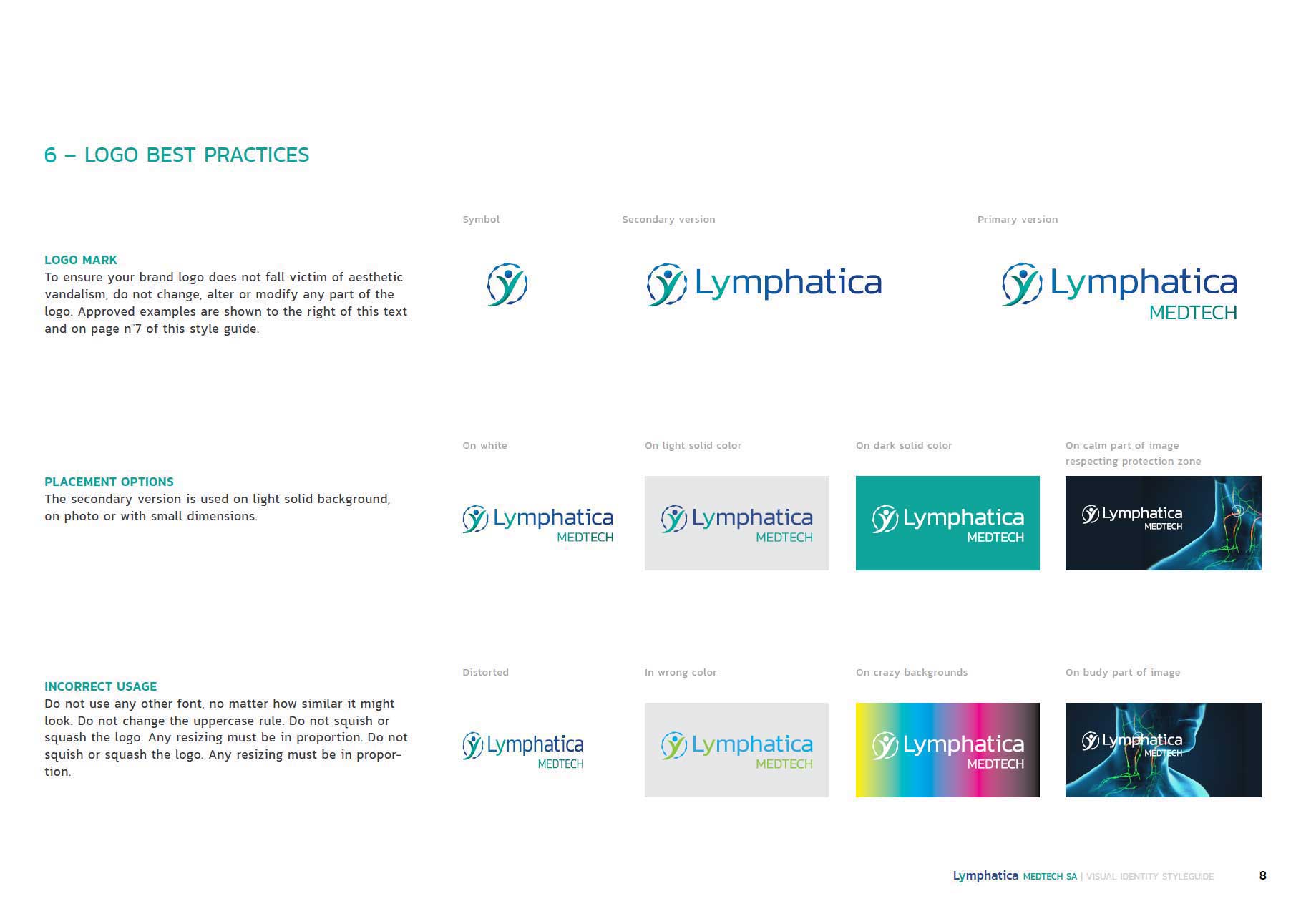
Alongside the logo design, I can therefore create a customised guide explaining how the brand mark should be used across different digital and printed applications. The logo guidelines include information about the available variations, colours, typography, minimum sizes, clear space and the correct use of the logo on different backgrounds, photographs and materials.
The guide enables clients, collaborators and external suppliers to use the logo without altering its proportions, colours or legibility. It becomes a practical reference for printers, web designers, agencies, marketing managers and anyone who needs to work with the new visual identity.

What are logo guidelines?
Logo guidelines, also known as a logo style guide or logo usage guide, are a document defining the fundamental rules for reproducing and applying a brand mark correctly.
A logo may be used across many different applications, including websites, documents, presentations, social media, business cards, packaging, signage, clothing and promotional materials. Without precise instructions, each supplier may interpret it differently, unintentionally changing its colours, size, position or proportions.
The guide reduces this risk and ensures that the logo always maintains a consistent appearance, even when it is used by people or companies that were not directly involved in the original project.
Logo guidelines also help to:
- prevent arbitrary changes to the brand mark;
- maintain good legibility at different sizes;
- select the appropriate version for each background;
- coordinate printed and digital communication;
- provide clear rules for collaborators and suppliers;
- preserve the quality of the original design over time.
Not every company requires the same type of document. A small business may only need a concise guide containing the essential rules, while a startup or company working with numerous materials, collaborators and suppliers may require a more comprehensive manual.